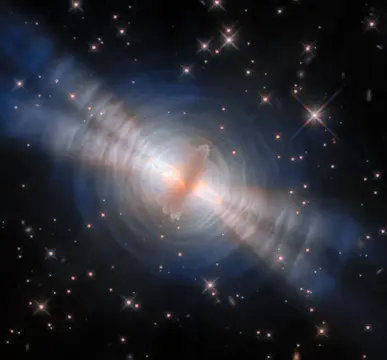
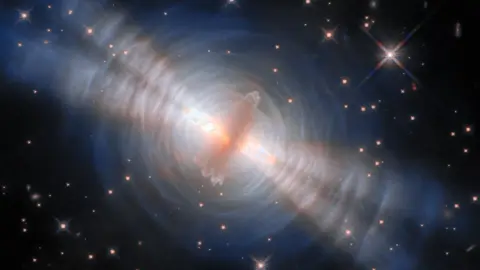
Cheops discovers late bloomer from another era
4 sites · Feb 12, 2026 to Feb 14, 2026
AQID™ · working prototype
Find every copy, crop and re-edit of your images across the web, from a lightweight ~34kb fingerprint, not a costly model.
One image, followed
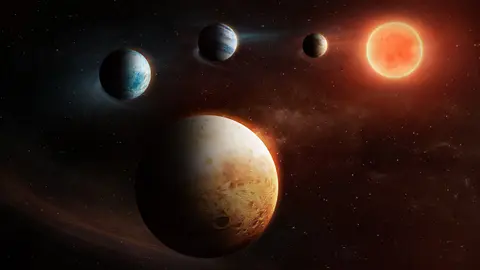
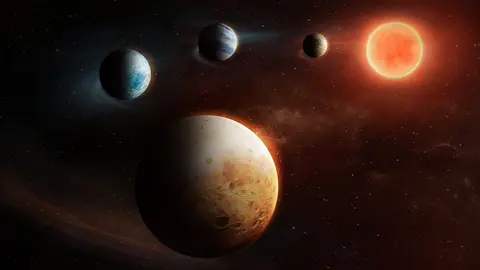
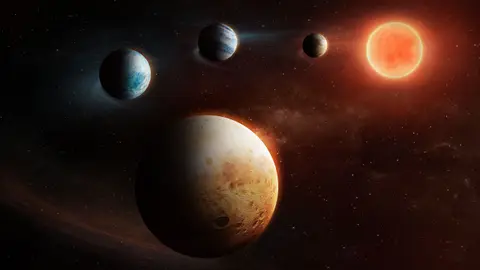
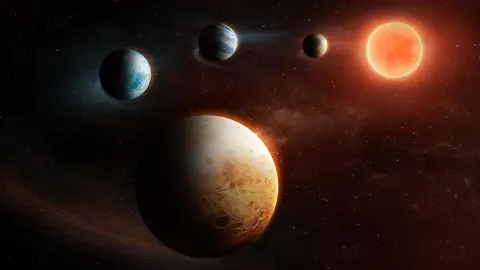
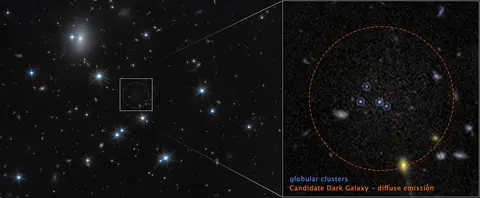
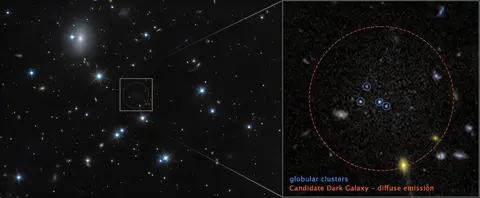
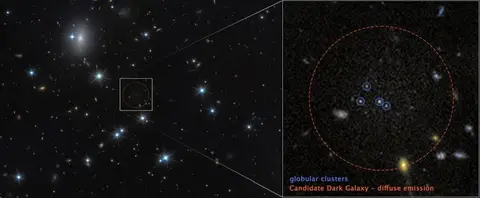
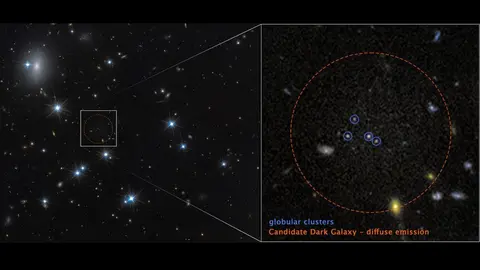
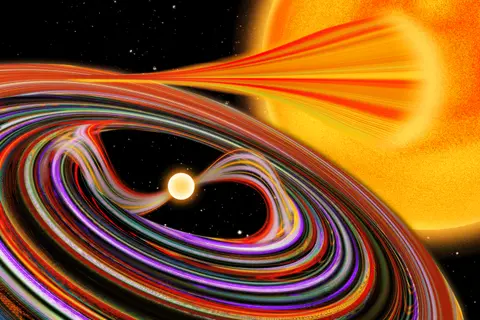
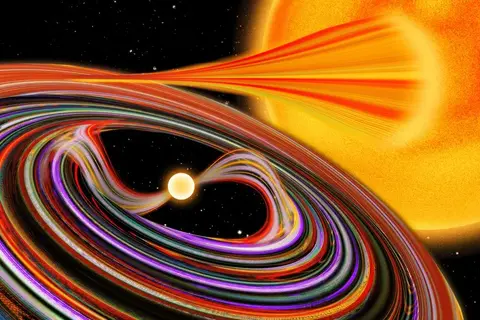
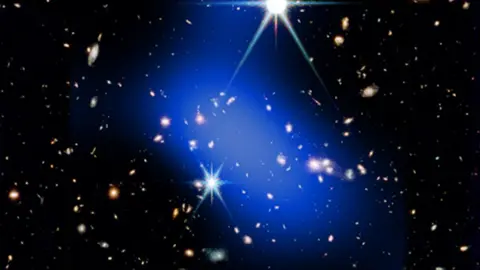
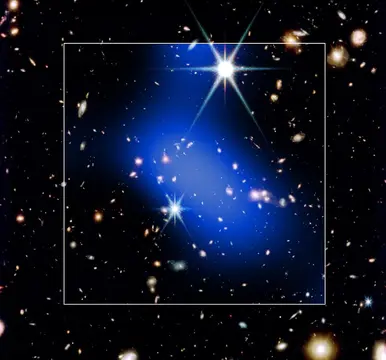
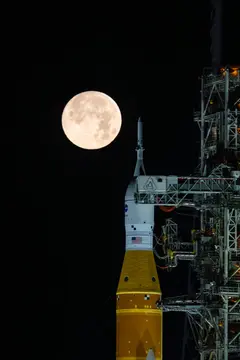
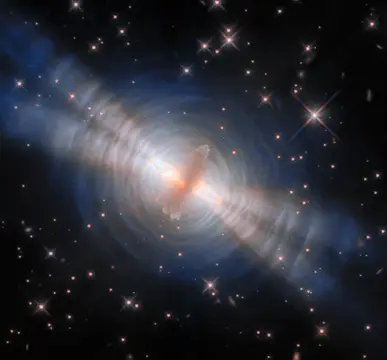
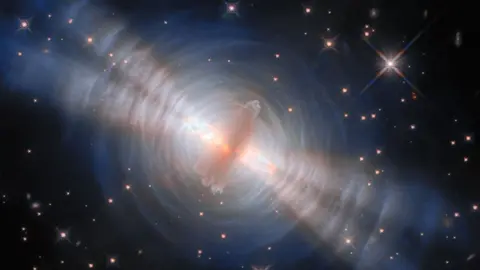
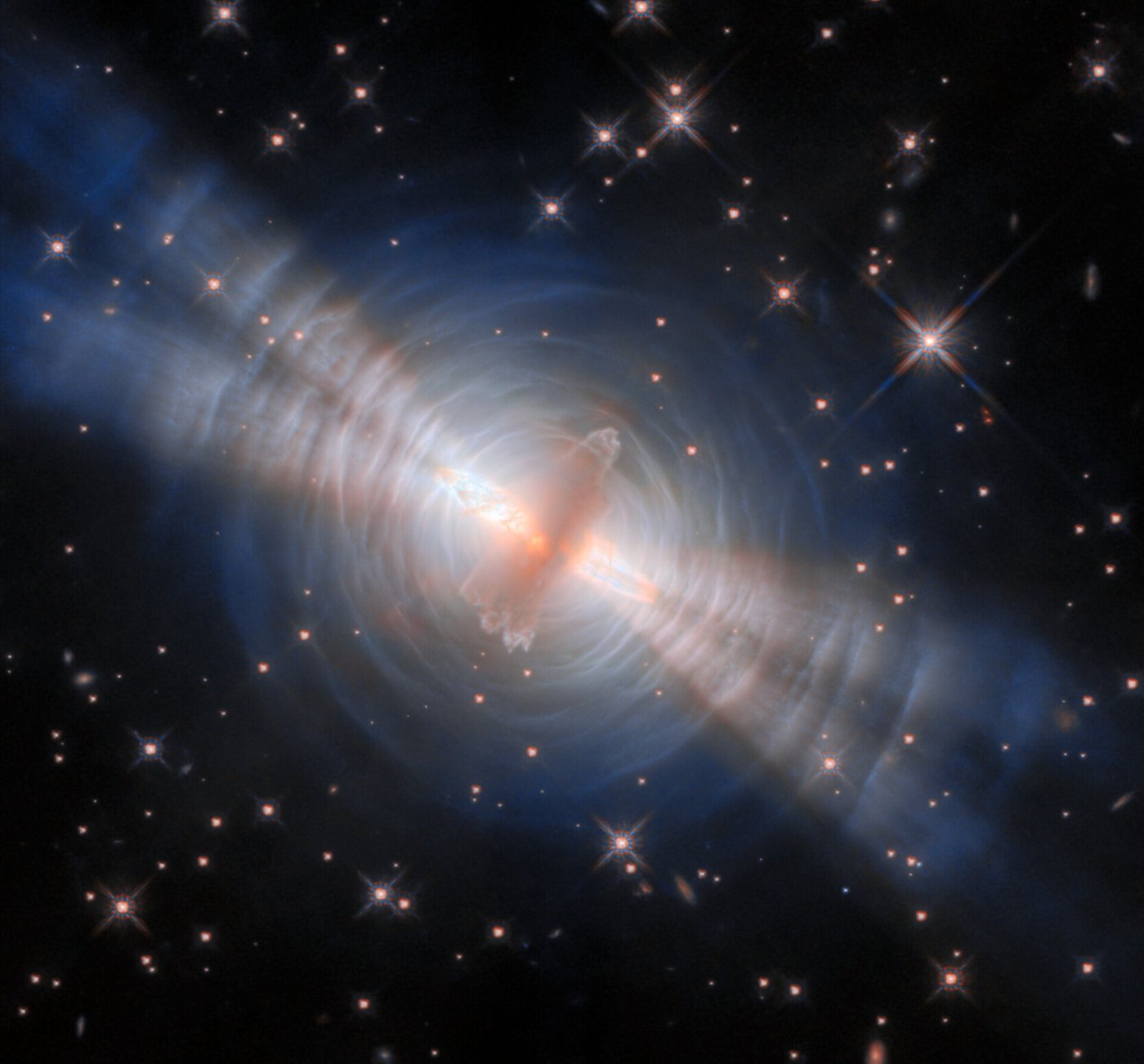
On Tuesday, February 10, 2026, ESA published this image. Within three days it had run on three more sites, five times in a new crop. AQID linked all nine copies back to the original by blanket crawling each site, generating a lightweight fingerprint for every image found, and comparing each fingerprint for matches.
Measured
| Thumbnail, re-encode, format change | 40 of 40 |
|---|---|
| 70% crop with blur, noise or heavy JPEG | 40 of 40 |
| 70% crop, flipped upside down | 40 of 40 |
| 70% crop with a gamma or contrast change | 39 of 40 |
| 80% crop under a watermark | 39 of 40 |
| Crop, mirror, rotate 90°, grayscale and JPEG 50, all at once | 39 of 40 |
| Rotated 20° or 45°, then cropped to fit | 37 and 39 of 40 |
| Corner crop keeping 40% of the frame | 30 of 40 |
Your turn
Pick an image and do your worst. Crop it, turn it, mirror it, drain the color, crush the JPEG. Your edit becomes an AQID and is searched against all 2,610 crawled images, frozen in our index.
1. Pick an image
2. Change it any way you like
3. Your version
Followed
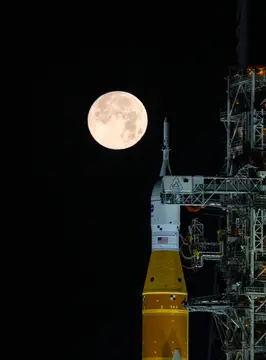
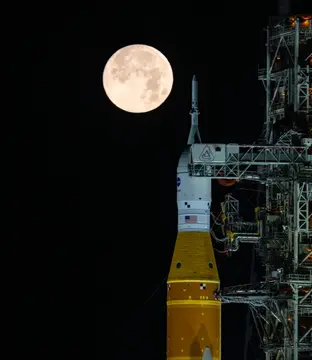
Fourteen images ran on three or more sites. Each stop is dated by the article it ran in, and links to it.
4 sites · Feb 12, 2026 to Feb 14, 2026
4 sites · Feb 18, 2026 to Feb 19, 2026
3 sites · Nov 20, 2025 to Jan 12, 2026
3 sites · Jan 28, 2026 to Feb 14, 2026
3 sites · Feb 3, 2026 to Feb 18, 2026
Yes, but
No. There is no image-to-image comparison, no perceptual hash, no trained model and no inference. Each image is read once to derive its AQID, about 34 KB. After that only the AQID is used, and the same two AQIDs always give the same answer.
Re-encodes, thumbnails, crops down to 70% of the frame, flips, watermarks, rotations, and all of them stacked at once: 37 to 40 times in 40. The hardest case we tested, a corner crop keeping 40% of the frame, came back 30 times in 40.
It keeps them apart. Every pair of AQIDs is classed as the same image, a derivative, a similar scene, or unrelated, and on hand-labeled groups it made no links between unrelated images.
476 public-domain NASA articles and every image in them, then ESA, Space.com, Phys.org, ScienceDaily, Universe Today, MIT News and more: 1,411 articles and 2,610 images across 11 sites. Then 1,280 fresh edited copies, made after the index was built, to see whether it could find them.
AQID is a working prototype of the content identity disclosed in PCT/US26/28630, filed May 18, 2026. Any license is by separate written agreement; nothing on this page grants rights.
From de-duplication to rights management — if your business depends on knowing where your images end up, let’s talk.
Talk about licensing →